Metadata & Meta Descriptions
The Importance of Metadata and Meta Descriptions for Your Website – More Isn’t Always Better
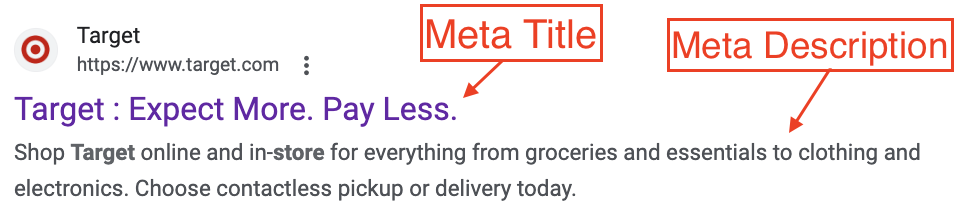
In the world of search engines, metadata and meta descriptions can make all the difference for your website’s visibility. However, many business owners are left scratching their heads when it comes to understanding these concepts. Fear not, because we’re here to break it down for you!
At its core, metadata is like a secret code that search engines use to identify what a webpage is all about. Meanwhile, meta descriptions act as your webpage’s short, snappy summary that appears on search engine results pages. Think of it as your website’s elevator pitch, so it’s essential to get it right!
In this post, we’ll dive into the nitty-gritty of metadata and meta descriptions and how you can optimize them to boost your online presence.
First off, let’s start with metadata. It consists of many elements, including the page title, author information, and the types of content and keywords used on your page. Metadata is crucial in providing context to search engines so that they can present accurate search results.
Now let’s talk about meta descriptions. These are basically a summary of a webpage in just a few lines, around 150 characters or less. The meta description should be catchy, engaging, and, most importantly, accurately represent what the webpage is about.
Think of it this way – your meta description is your way to distinguish yourself from competitors and make your webpage stand out in the search engine results. If it’s informative, unique, and relevant, it can increase the chances of potential customers clicking through to your website.
Optimizing metadata and meta descriptions isn’t just about making them relevant; keeping them concise is also important. Having concise metadata and descriptions improves your website’s click-through rate and ensures that your website gets shown to the right people.
Remember, search engines aren’t looking for websites that clutter their metadata with irrelevant or misleading keywords. Keep it simple, precise, and informative!
“More isn’t always better” when it comes to product descriptions, that couldn’t be more true.
So what is the right approach? Quality over quantity; less really is more when it comes to product descriptions. Instead of cramming all of your keywords and product details into one long description, break them up into smaller chunks and use them strategically throughout the page. This way, customers won’t feel overwhelmed – but instead intrigued – by your offer.
The same goes for meta descriptions: shorter doesn’t mean worse! In fact, shorter meta descriptions tend to perform better because they give search engines a stronger understanding of what your page is about without getting bogged down in unnecessary details. Plus, with less text comes more freedom for creativity and experimentation with voice, tone, etc., which can help you stand out from your competition and capture attention better on SERPs (search engine result pages).
Another important factor to consider when leveraging metadata and meta descriptions is your website’s mobile optimization. With the majority of internet users searching for businesses on their mobile devices, it’s crucial to make sure that your metadata and descriptions read well on the small screen.
Here are some do’s and don’ts for metadata and meta descriptions:
Do’s:
- Use relevant keywords in your metadata to help search engines understand what your page is about.
- Make sure your meta description accurately reflects the content of the page.
- Tailor each page’s meta description so it stands out from other pages on a search engine results page.
- Include unique, engaging language within your meta descriptions to entice searchers to click through.
Don’ts:
- Don’t stuff unnecessary keywords into your meta tags, hoping they will improve rankings – this will have the opposite effect and can even result in penalties by search engines!
- Don’t use the same generic descriptions for every page on your site – create unique descriptions for each page instead.
- Don’t leave the meta description field empty – make sure you include one on every page of your site.
In conclusion, metadata and meta descriptions are essential to making your website readily available to relevant audiences. By taking the time to understand metadata and crafting accurate, concise, and engaging meta descriptions, your website’s search engine visibility will increase, which can lead to more website traffic.
To optimize your website’s metadata and descriptions to perfection, consider working with digital marketing experts who can offer industry insight and help improve your website’s online presence. Remember, metadata and descriptions could be the difference between a potential customer visiting your website or scrolling right past it.
If you need help with your SEO or have question, schedule a call with us!